Driving in hard rain with a student for the first time
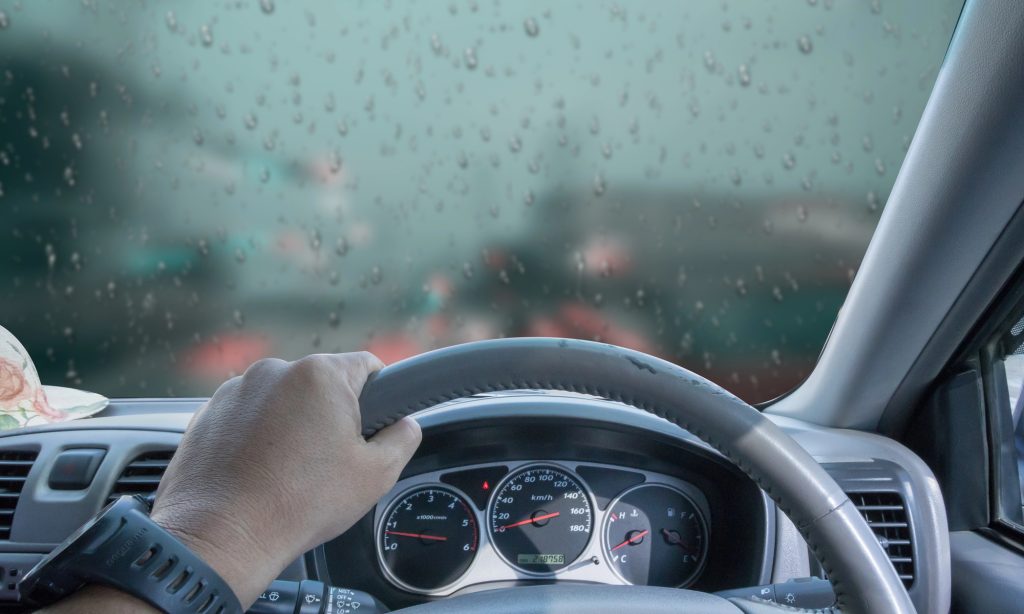
Teaching a student to drive in heavy rain for the first time requires careful planning and a calm, patient approach. Start by choosing a quiet area with minimal traffic. This allows the student to experience how the car responds to wet conditions without the added stress of other vehicles. Emphasize the importance of slowing down, as stopping distances increase and traction is reduced. Explain that even a small amount of standing water can cause hydroplaning, so maintaining a steady speed and avoiding sudden maneuvers is crucial.

Encourage the student to keep a firm but relaxed grip on the steering wheel. Abrupt movements can make the car more difficult to control, especially on slick roads. Teach them to brake gently and progressively, using the brake pedal smoothly rather than stomping on it. This helps maintain control and prevents skidding. Remind them to leave plenty of space between the car and the vehicle ahead. In wet conditions, this distance should be significantly increased compared to dry conditions.

Visibility can be a major challenge in hard rain. Make sure the student knows how to use windshield wipers effectively and adjust their speed to maintain a clear view of the road. Headlights should always be on to increase visibility to other drivers. Teach them to anticipate changes in road conditions, such as puddles, slippery patches, or areas where water collects. Point out how painted lines and metal surfaces, like manhole covers, can be particularly slick.

Throughout the lesson, provide calm, reassuring feedback. Rain can make students nervous, especially when they feel the car sliding slightly or hear the tires on wet pavement. Reinforce that these sensations are normal and manageable with proper technique. Encourage them to practice gentle turns, controlled stops, and smooth acceleration.

After the drive, discuss what went well and what could be improved. Highlight their ability to stay calm, maintain control, and respond to changes in traction. By emphasizing patience, anticipation, and smooth control, you help the student gain confidence in challenging conditions while reinforcing safe driving habits that will benefit them in all weather.

Similar Posts

  • When Driving Sharing The Road With Everyone Saves Lives

    Sharing the road with other drivers, pedestrians, and cyclists is an important aspect of promoting road safety and saving lives. The road is a shared space and promoting a culture of cooperation and awareness is essential for the well-being of everyone on the roads. Understanding and respecting traffic rules is one of the most important components of safely sharing the road. Following the speed limits, stopping at red lights, stop signs and yielding the right of way create a predictable and organized flow of traffic, reducing the risk of accidents. When all drivers follow these rules, the likelihood of collisions decreases significantly. Practicing patience and tolerance is one of the most important rules we must follow to promote a safe driving environment on the roads…

  • Things To Be Aware Of When Driving In Heavy City Traffic

    Driving in heavy city traffic requires increased awareness and attention to ensure both your safety and the safety of others. One consideration is the constant flow of pedestrians, cyclists, and fellow motorists. Always be attentive and anticipate unexpected movements from those using the roads. Maintaining a safe following distance is crucial in heavy traffic. Sudden stops are common and having ample space in front of your car allows for a more controlled, relaxed response to sudden changes in traffic patterns. Avoid following too close to prevent rear-end collisions by giving yourself enough time to safely react. Keep your eyes scanning your mirrors. Always take the time to adjust your mirrors to minimize your blind spots, taking the time to do this carefully will always benefit…

  • Overcoming the Fear of Driving

    Here’s something to help new drivers manage their fear of learning to driving: Learning to drive can be both exciting and overwhelming. For many new drivers, fear and anxiety often overcome the excitement, making the process stressful. However, with patience and the right approach, it is possible to build confidence and enjoy the experience of driving. One of the most important steps in overcoming fear is to acknowledge it. Accepting that nervousness is natural helps to reduce its power. Instead of feeling frustrated or discouraged, recognizing that fear is part of the learning process. This allows for a more compassionate approach to believing in yourself while improving your self-improvement. Preparation plays an important role in easing stress. Becoming familiar with the vehicle, understanding basic controls,…

  • How an anxious student is affected by losing contrast driving after sunset.

    Losing visual contrast after sunset can be especially challenging for an anxious student driver. As daylight fades, the world no longer appears crisp and clearly defined. Colors soften, shadows deepen, and the edges of objects blend into one another. For a student who already feels nervous behind the wheel, this change can quickly increase stress and reduce confidence. Anxious drivers often rely heavily on clear visual information to feel safe and in control. When contrast drops, lane markings may appear faint, pedestrians may blend into the background, and parked vehicles can be harder to judge for distance and position. The brain must work harder to interpret what the eyes are seeing, which can lead to mental overload. This extra effort may cause the student to…

  • Breathing Techniques to Help Anxious Students Stay Focused While Driving

    Driving can be an anxious experience for students, especially when they’re learning to navigate difficult driving environments. Breathing techniques are simple, effective ways to help calm the mind and maintain focus. These practices can be easily incorporated before or during a drive to manage anxiety. Start with deep, steady breaths to ground the mind and body. Inhale deeply through the nose, feeling the chest and abdomen expand, then exhale fully through the mouth. This technique helps release tension and slows the heart rate, encouraging relaxation. Focus on the sensation of the breath entering and leaving the body to bring attention to the present moment. Using focused breathing can also be helpful. By establishing a consistent pattern of inhalation and exhalation, students can create a sense…

  • How to Learn to Make Good Driving Decisions.

    In driving don’t make decisions based on what you think you’re capable of but make decisions based on the absolute worst outcome if something were to go wrong. Driving requires a balance of confidence and caution. While it’s important to trust your abilities behind the wheel, making decisions solely based on what you believe you can handle can be dangerous. Instead, a responsible driver considers the worst possible outcome in any situation and acts accordingly. One of the most common mistakes drivers make is overestimating their control, whether it’s speeding in the rain, overtaking on a blind curve, or assuming other drivers will react predictably. While you may feel confident in your skills, the reality is that countless factors are beyond your control—weather conditions, mechanical…