Helping an autistic driver build their confidence driving in the rain and darkness at the same time.
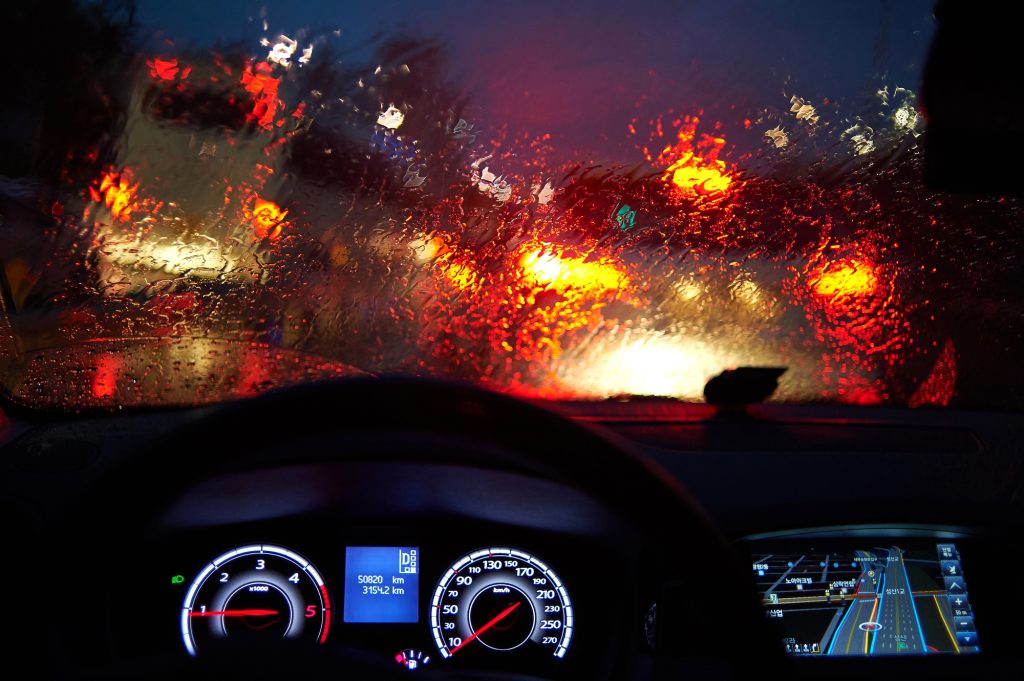
Helping an autistic driver build confidence when driving in the rain and darkness at the same time requires patience, preparation, and understanding. These conditions combine multiple sensory challenges, including reduced visibility, increased glare, unfamiliar sounds, and heightened mental demand. With the right support, an autistic driver can learn to manage these challenges and feel more secure behind the wheel.

Start by acknowledging that rain and darkness can feel overwhelming. Rain changes how the road looks and sounds, while darkness limits visual information and increases reliance on headlights and reflections. For an autistic driver, this combination can increase anxiety and make it harder to process information quickly. Normalizing these feelings helps reduce pressure and builds trust between the instructor and the driver.Preparation is key. Before driving, talk through what to expect. Explain how rain can make road markings harder to see and how darkness can distort distance perception. Review how windshield wipers, defrosters, and headlights support visibility. Practicing these controls while parked helps the driver feel more in control once moving. Gradual exposure builds confidence. Begin with short drives in light rain or low traffic areas after sunset.

As comfort grows, slowly increase complexity. Keeping early sessions brief and predictable prevents sensory overload and allows success to build on itself. compliment progress, no matter how small, to reinforce confidence.Clear and calm communication matters. Use a steady voice and simple instructions. Avoid giving too many directions at once, as this can overwhelm working memory. If the driver becomes tense, encourage controlled breathing and brief pauses when safe. Knowing they can stop and reset reduces fear. Focus on coping strategies. Teach the driver to scan slowly, increase following distance, and rely on lane markings and road edges.

Encourage them to limit distractions, such as music or conversation, during challenging conditions. Predictable routines help autistic drivers feel grounded and focused.Most importantly, emphasize that confidence comes with practice. Driving in rain and darkness is a skill developed over time, not something that must be mastered immediately. With patience, understanding, and structured practice, an autistic driver can learn to navigate these conditions safely and gain confidence that carries over into all areas of driving.

Similar Posts

  • Hyper Focusing on Something While Driving

    Hyper-focusing while driving can be a serious concern, especially for individuals who are prone to becoming deeply absorbed in their thoughts, surroundings, or internal distractions. When a driver enters a hyper-focused state, they may concentrate intensely on one specific object, sound, idea, or sensation, often at the expense of broader situational awareness. This intense focus can cause them to miss important cues on the road, such as traffic signals, pedestrians, or changes in traffic flow. Hyper-focusing may feel productive or even calming in certain situations, but behind the wheel, it can reduce a driver’s ability to respond to unexpected changes. For example, a driver may become locked in on a single vehicle ahead, unknowingly increasing their speed or missing a turn. Others might become fixated…

  • Help your anxious drivers with a calm voice not a heavy voice

    Helping anxious drivers begins with the tone you bring into the car. A calm voice creates safety, while a heavy or sharp voice can quickly increase stress. Many anxious drivers are already overwhelmed by traffic, noise, and the responsibility of controlling a vehicle. Your voice becomes part of the driving environment, and it can either soothe or intensify their fear. A calm voice signals that the situation is manageable. When instructions are given gently and clearly, the driver has space to think and process what is happening. Anxiety often narrows attention, making it harder to react smoothly. A steady tone helps widen focus and keeps the driver grounded in the present moment. Even simple directions sound less intimidating when spoken with patience and warmth. A…

  • How To Be a Strong Driver While Living with Autism

    Being a strong driver while living with autism means embracing both your strengths and challenges behind the wheel. Autism can come with heightened focus, strong pattern recognition, and a preference for routine, all of which can enhance driving skills. At the same time, it may also involve sensitivities to sensory input, difficulties with multitasking, or heightened anxiety in unpredictable situations. Recognizing and planning for both aspects helps create a safer, more confident driving experience. Start by building your driving skills in a calm, predictable environment. Choose routes and times of day with lower traffic, fewer distractions, and familiar surroundings. Repetition of the same driving paths helps reinforce routines and increase comfort. Learning how traffic behaves and recognizing common patterns can help you anticipate situations before…

  • The Value of Always Driving With Your Headlights On All The Time, No Matter The Time Of Day Or Year

    Always driving with your headlights on, regardless of the time of day or year, offers a myriad of benefits that contribute to road safety and overall well-being. Firstly, this practice enhances visibility for both the driver and other road users. Even during daylight hours, shadows and varying light conditions can create challenges in spotting vehicles, pedestrians, or obstacles. By keeping headlights on, drivers increase their chances of being seen and reduce the likelihood of accidents. Moreover, driving with headlights on fosters a sense of uniformity on the roads. It establishes a consistent visual presence for all vehicles, aiding in the recognition and anticipation of oncoming traffic. This standardized approach contributes to a safer driving environment by minimizing confusion and allowing drivers to make quicker and…

  • Overcoming Fear: Helping Students with Learning Disorders Face Driving Anxiety

    Overcoming driving anxiety can be particularly challenging for students with learning disorders. The thought of navigating roads, handling traffic, and managing a vehicle may trigger heightened fear, often linked to their specific learning challenges. These students might struggle with tasks requiring quick decision-making, motor coordination, or spatial awareness, making the driving experience more intimidating. Helping students confront this anxiety begins with creating a supportive and understanding environment. Acknowledge their fears, letting them know that it’s okay to feel apprehensive. Open conversations about their concerns help reduce the stigma and provide reassurance that their feelings are valid and manageable. Breaking down the process of learning to drive into smaller, more manageable steps can be effective. This might involve focusing on mastering one task at a time,…

  • How To Teach a Student with High Anxiety to Drive That Has Been Taught Bad Habits

    Teaching a student with high anxiety who has developed bad driving habits requires patience, consistency, and a calm, supportive approach. The first step is to create a non-judgmental environment where the student feels safe to make mistakes. This helps ease their anxiety and opens the door for honest communication. Gently acknowledge the habits they’ve learned without shaming them. Instead of pointing out what’s wrong, guide them toward understanding safer alternatives. One of the most effective tools is positive reinforcement. Focus on what the student is doing right before correcting mistakes. This helps build their confidence, which is often fragile in anxious drivers. Use simple language and give one direction at a time. Multitasking under pressure can cause more stress and confusion, especially if they are…