Remember Winter driving requires more space to those around you
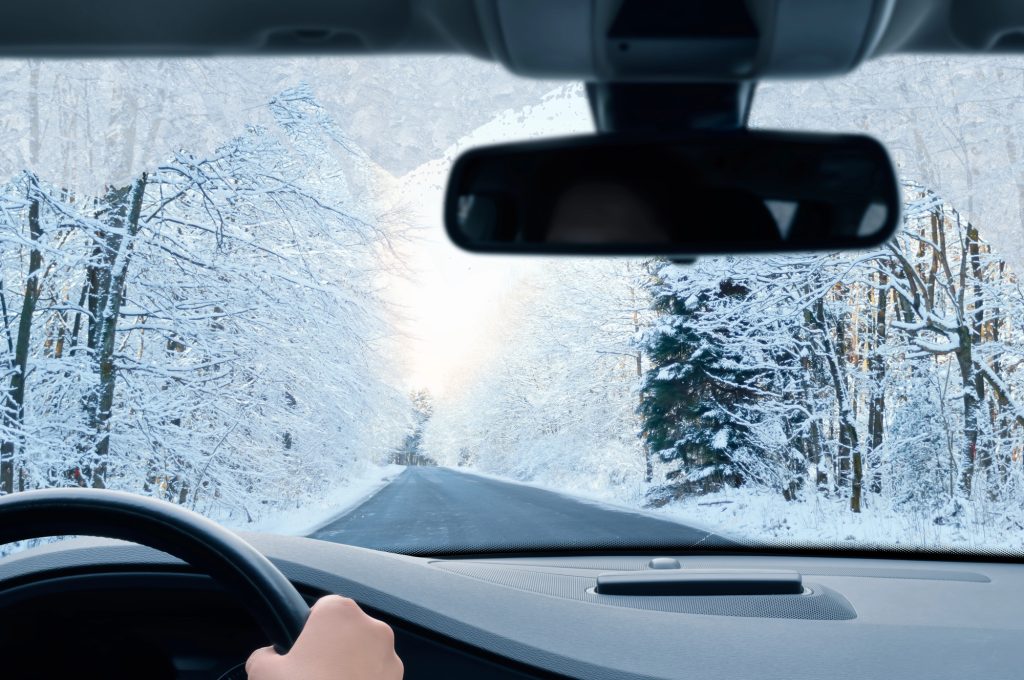
Winter driving presents a unique set of challenges that require extra attention, patience, and preparation. One of the most important things to remember is to give yourself and others more space on the road. When roads are covered in snow, ice, or slush, it takes much longer to stop or change direction safely. The usual following distance that might feel comfortable on a dry road simply is not enough when traction is reduced. Increasing the space between your vehicle and the one ahead allows more time to react if the car in front of you brakes suddenly or begins to slide.

Cold weather also affects the performance of your tires and braking system. Even with good snow tires, grip is limited when the surface is slick. Extra space gives your tires a better chance to slow your vehicle gradually, which helps prevent skidding. Drivers should also be gentle with acceleration, braking, and steering. Smooth movements are key to maintaining control in slippery conditions. Rushing or making sudden changes in direction can easily cause a loss of traction, especially on bridges, overpasses, and shaded areas where ice forms first and lingers longest.

It is equally important to keep space not just in front of you, but all around. Avoid tailgating or crowding other vehicles and be aware of those who may not be as cautious. Large trucks and snowplows need even more room to maneuver and cutting in too closely can create dangerous situations. If someone is driving too closely behind you, find a safe place to move over and let them pass rather than feeling pressured to speed up.

Giving extra space during winter is not just about safety—it also helps reduce stress. When you build more time into your drive and accept that traffic may move slower, you can focus better and make calmer decisions. Remember that everyone on the road faces the same conditions, and patience can prevent accidents. Respecting the weather, your vehicle’s limits, and the space needed to stay safe will make winter driving far less stressful and much safer for everyone.

Similar Posts

  • Enhancing The Learning Experience For Someone Learning How To Drive

    Enhancing the learning experience for someone learning to drive involves creating a supportive and engaging supported by family and friends. First, we must an establish a sense of comfort and safety. A calm atmosphere can alleviate anxiety, making the learner more receptive to the student. Choose quiet, familiar roads for initial lessons to build confidence before progressing to busier areas. Using positive reinforcement is another effective strategy. Acknowledge achievements, no matter how small, to boost mood and feeling that will motivate the students’ interest to drive. Constructive feedback should be balanced with encouragement, helping learners understand areas for improvement without discouraging them. Utilizing varied teaching methods can cater to different learning styles. Some learners may benefit from visual aids, such as diagrams of road signs…

  • A yellow light is one that if you can safely stop you must do so.

    A yellow traffic light carries a clear and important message for drivers. It means that the signal is about to turn red, and if you can safely stop your vehicle, you must do so. This rule is rooted in safety, predictability, and shared responsibility among everyone using the road. Understanding and respecting the purpose of a yellow light helps reduce crashes and promotes calmer, more deliberate driving behavior. When a light turns yellow, it is not an invitation to speed up. Instead, it serves as a warning that the opportunity to proceed through the intersection is ending. Drivers should quickly assess their situation by considering their speed, distance from the intersection, road conditions, and the behavior of surrounding traffic. If there is enough space to…

  • Maintaining A Safe Following Distance When Driving

    Maintaining a safe following distance when driving is very important. It keeps you safe and ensures you have time to react to unexpected things that can happen when driving. The following distance is commonly known as the space you have between the front of your car and the car you are following.  The most accurate method of establishing your following distance is to pick a fixed object that the car in front of you passes. When it passes that object, you begin to count seconds it takes for you to pass the same object. This count becomes your following distance. It refers to the space between your vehicle and the vehicle in front of you. This space allows you enough time and space to stop safely…

  • How To Teach Student with ADHD to Drive

    Teaching individuals with ADHD to drive requires a modified approach that considers their unique strengths and weaknesses. Here are some strategies that I use to help ADHD students become confident and safe drivers: Structured Lessons: present driving lessons into smaller, more understandable objectives. Focus on step-by-step skills in each lesson to avoid having the student feel overwhelmed. This approach can better their understanding and helping the student be more comfortable. Visual Aids and Diagrams: Use visual aids, diagrams, illustrations and charts to show driving concepts. ADHD students often respond well to visual aids, helping them better understand and remember important information. Repetition and Practice: Learning through repetition and practice. Encourage regular driving practice in different driving environments to build confidence and improve skills. Consistent exposure…

  • Creating a Calm Environment: Reducing Anxiety in Driving Lessons

    As the instructor I can also create a sense of safety by explaining that as an instructor I’m always in control and can intervene if necessary, reducing the fear of accidents. Mindfulness techniques can be introduced to help learners manage their stress. Simple breathing exercises before or Creating a Calm Environment: Reducing Anxiety in Driving Lessons Creating a calm environment during driving lessons is essential to reducing anxiety in new drivers. Many students feel nervous behind the wheel, which can impact their ability to focus and make good aculeate decisions. A supportive and soothing atmosphere can help alleviate these feelings, making the learning process smoother and more enjoyable. One of the most effective ways to create this environment is through clear communication. Instructors should speak…

  • How to ensure an anxious student that learning to drive on the expressway is one of the safest driving environments that they will drive in.

    When teaching an anxious student about driving on the expressway, it helps to re-frame their perspective by showing them the unique safety advantages this environment offers. Many new drivers assume expressways are more dangerous because of higher speeds and the heavy flow of traffic, but the reality is that expressways are designed with safety in mind. Wide lanes, smooth surfaces, and controlled access points create a predictable environment compared to smaller city streets filled with stop signs, pedestrians, bicycles, and sudden obstacles. Reminding the student that every car is moving in the same direction with fewer interruptions can help them feel more at ease. Another important reassurance is the reduced number of variables on expressways. Unlike residential areas where a ball might roll into the…