Using driving simulators to support students with learning differences
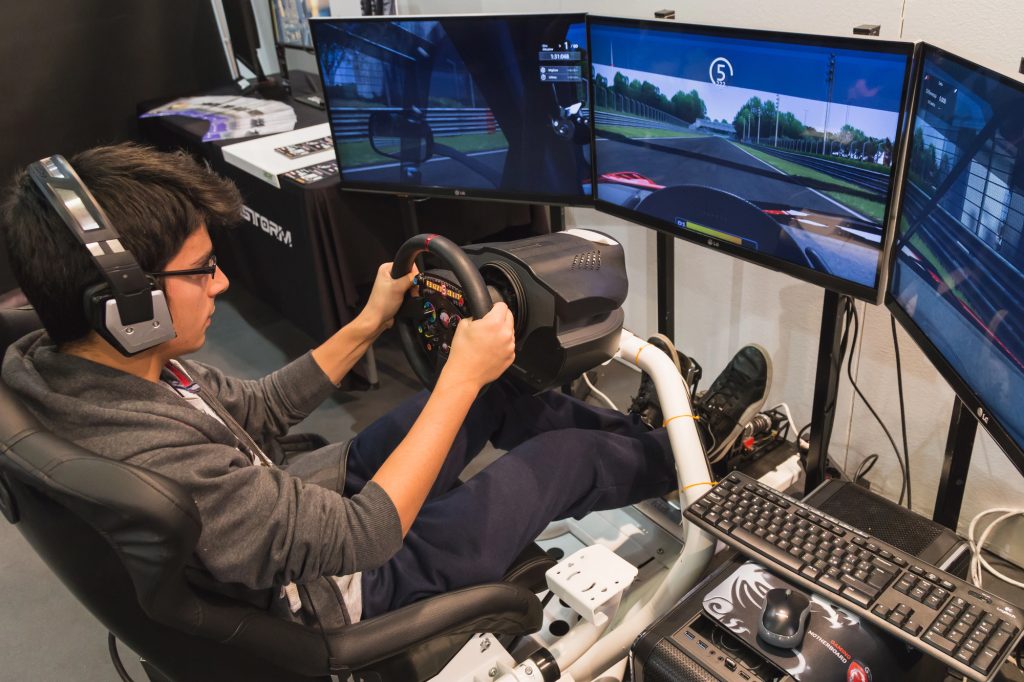
Using driving simulators can be an invaluable tool for supporting students with learning differences. Simulators create a safe and controlled environment where learners can experience real-world driving scenarios without the immediate risks associated with being on the road. For students who struggle with attention, memory, or sensory processing, this technology allows them to practice skills repeatedly and at their own pace. They can pause, reset, and review situations, which helps reinforce learning in ways that traditional behind-the-wheel instruction alone may not offer.

For students with attention challenges, simulators provide focused experiences that reduce the distractions of the outside world. The instructor can guide them through specific scenarios, such as merging onto a highway or navigating intersections, and adjust the complexity according to the learner’s comfort and progress. This individualized pacing helps students build confidence before attempting these situations in real traffic. Repetition in the simulator also strengthens procedural memory, enabling learners to internalize steps for safe driving through muscle memory and visual cues.

Sensory-sensitive students benefit from simulators because the environment can be modified to reduce overstimulation. Bright lights, loud sounds, or sudden movements can be controlled or muted, helping learners gradually acclimate to the sensory demands of driving. Over time, students can experience increasingly challenging scenarios in a manner that feels manageable, reducing anxiety and improving focus.

Additionally, simulators allow for exposure to rare or hazardous situations that might be difficult or unsafe to replicate on the road. Slippery conditions, sudden stops, or emergency maneuvers can be practiced safely, giving learners a sense of preparedness and control. Instructors can also provide immediate feedback, highlighting errors and reinforcing correct responses, which is especially helpful for students who benefit from clear, consistent guidance.

Overall, driving simulators bridge the gap between theory and practice for students with learning differences. They create a supportive, low-pressure environment that encourages skill development, confidence, and independence. By integrating technology into driver education, instructors can offer personalized learning experiences that meet each student’s unique needs, ultimately helping them become safe, capable, and confident drivers.

Similar Posts

  • When your student is driving after dark let them know everyone loses depth perception and contrast.

    When your student is driving after dark, it is important to gently explain that everyone loses some depth perception and contrast at night. This is not a personal weakness or a sign that they are doing something wrong. It is a natural limitation of human vision. Framing it this way can reduce anxiety and help the student focus on safe strategies rather than self-doubt. In daylight, the eyes use color, shadows, and fine details to judge how far away objects are. At night, much of that information disappears. Colors fade into darker tones, shadows blend, and the brain has fewer visual clues to work with. Headlights create bright spots surrounded by darkness, which can make it harder to tell how far away another vehicle, a…

  • What is the best way to react when an anxious student has a panic attack while driving

    When an anxious student experiences a panic attack while driving, the priority is safety, for both the student and others on the road. It is crucial to remain calm yourself, because your composure can help the student feel more secure. A steady, gentle voice reassures them that they are not alone and that you are guiding them through the situation. Panicked students often struggle to think clearly, so short, simple instructions work best. Avoid long explanations or questions that could overwhelm them. If it is safe, guide the student to gradually slow down and move the vehicle to the side of the road or a safe area such as a parking lot. Encourage them to focus on the basic act of driving: keeping their hands…

  • How To Teach Student with ADHD to Drive

    Teaching individuals with ADHD to drive requires a modified approach that considers their unique strengths and weaknesses. Here are some strategies that I use to help ADHD students become confident and safe drivers: Structured Lessons: present driving lessons into smaller, more understandable objectives. Focus on step-by-step skills in each lesson to avoid having the student feel overwhelmed. This approach can better their understanding and helping the student be more comfortable. Visual Aids and Diagrams: Use visual aids, diagrams, illustrations and charts to show driving concepts. ADHD students often respond well to visual aids, helping them better understand and remember important information. Repetition and Practice: Learning through repetition and practice. Encourage regular driving practice in different driving environments to build confidence and improve skills. Consistent exposure…

  • ADHD and the open road focusing on techniques that work for teaching drivers

    Teaching students with ADHD how to drive requires patience, creativity, and an understanding of how their minds work best. The open road can feel overwhelming at first, but with the right techniques, it becomes a space where confidence and skill can grow. Students with ADHD often process information differently, which means traditional teaching methods may not always be effective. Instead of focusing on what is difficult for them, it helps to lean into their strengths and build strategies that keep their attention engaged while reducing unnecessary stress. One technique that works well is breaking down instructions into clear, manageable steps. Long or complicated directions can quickly become confusing, but when tasks are explained in smaller pieces, students are more likely to retain the information and…

  • Speeding up to make a yellow light is like running a red light.

    Speeding up to make a yellow light is like running a red light because the risk, the intent, and the potential consequences are nearly the same. The yellow light is meant to be a warning, not an invitation. It signals that the light is about to change and that drivers should prepare to stop if it is safe to do so. When a driver accelerates toward an intersection during a yellow light, they are choosing to gamble with timing rather than respond to the warning. That decision mirrors the mindset of running a red light, where the driver knowingly enters an intersection without a clear right of way. Both behaviors place safety second to convenience. Speeding up at a yellow light often means entering the…

  • Teaching driving skills to students with dyslexia alternate instruction methods

    Teaching a student with dyslexia to drive requires a thoughtful approach that respects their unique learning style and builds on their strengths. Dyslexia does not prevent someone from becoming a capable and safe driver, but it can mean that traditional instruction methods may need adjusting. The focus should be on making information more accessible, reducing stress, and creating opportunities for success through clear communication and practice. One effective method is to simplify instructions into small, manageable steps. Instead of giving multiple directions at once, break tasks down so the student can focus on one action before moving on to the next. Visual aids can also play a valuable role. Demonstrating maneuvers, pointing out road signs, and using diagrams to explain traffic flow often resonate better…