Driving in hard rain with a student for the first time
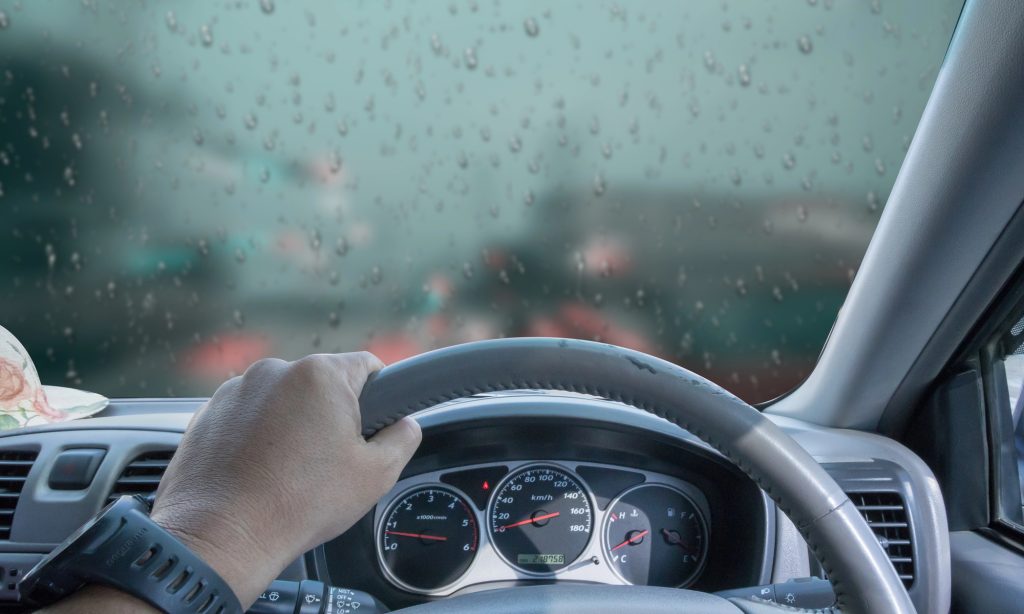
Teaching a student to drive in heavy rain for the first time requires careful planning and a calm, patient approach. Start by choosing a quiet area with minimal traffic. This allows the student to experience how the car responds to wet conditions without the added stress of other vehicles. Emphasize the importance of slowing down, as stopping distances increase and traction is reduced. Explain that even a small amount of standing water can cause hydroplaning, so maintaining a steady speed and avoiding sudden maneuvers is crucial.

Encourage the student to keep a firm but relaxed grip on the steering wheel. Abrupt movements can make the car more difficult to control, especially on slick roads. Teach them to brake gently and progressively, using the brake pedal smoothly rather than stomping on it. This helps maintain control and prevents skidding. Remind them to leave plenty of space between the car and the vehicle ahead. In wet conditions, this distance should be significantly increased compared to dry conditions.

Visibility can be a major challenge in hard rain. Make sure the student knows how to use windshield wipers effectively and adjust their speed to maintain a clear view of the road. Headlights should always be on to increase visibility to other drivers. Teach them to anticipate changes in road conditions, such as puddles, slippery patches, or areas where water collects. Point out how painted lines and metal surfaces, like manhole covers, can be particularly slick.

Throughout the lesson, provide calm, reassuring feedback. Rain can make students nervous, especially when they feel the car sliding slightly or hear the tires on wet pavement. Reinforce that these sensations are normal and manageable with proper technique. Encourage them to practice gentle turns, controlled stops, and smooth acceleration.

After the drive, discuss what went well and what could be improved. Highlight their ability to stay calm, maintain control, and respond to changes in traction. By emphasizing patience, anticipation, and smooth control, you help the student gain confidence in challenging conditions while reinforcing safe driving habits that will benefit them in all weather.

Similar Posts

  • How Many Adults Struggle With Not Having Their License

    A significant number of adults face challenges associated with not having a driver’s license, impacting the lack of independence, making life increasingly more complicated having to depend on others for transportation. The reasons for not possessing a license can be diverse, ranging from personal choices to external circumstances however, generally it is often the fear and anxiety that is associated to driving. One common obstacle is the financial burden associated with obtaining a driver’s license. The costs involved in driver’s education, licensing fees, and the overall expenses related to owning a vehicle can be prohibitive for many individuals. This cost factor of owning a vehicle can often be a major deterrent in having the funds to support a car, leading to a delayed or altogether…

  • Maintaining A Safe Following Distance When Driving

    Maintaining a safe following distance when driving is very important. It keeps you safe and ensures you have time to react to unexpected things that can happen when driving. The following distance is commonly known as the space you have between the front of your car and the car you are following.  The most accurate method of establishing your following distance is to pick a fixed object that the car in front of you passes. When it passes that object, you begin to count seconds it takes for you to pass the same object. This count becomes your following distance. It refers to the space between your vehicle and the vehicle in front of you. This space allows you enough time and space to stop safely…

  • How Does Dealing with OCD Affect The Ability To Learn To Drive?

    Obsessive-Compulsive Disorder (OCD) can affect a student’s ability to learn how to drive. The nature of OCD can introduce challenges such as multiple distractions that will pull the student farther and farther away from the student’s task during the process of learning how to drive: Anxiety is a common symptom for students with OSD. When learning to drive, this anxiety can become worse as the student overthinks the problem. A parent or influential person can also make the anxiety worse. The prospect of navigating traffic, making split-second decisions, and the fear of potential accidents can trigger intense anxiety for students with OCD. Thoughts related to safety concerns may overwhelm their mind, making it difficult to focus on the driving task. A side effect of OCD…

  • The Benefits of Having a Parent or Family Member Observe a Student with Learning Difficulties Present

    Observing a student with learning difficulties while driving can offer a multitude of benefits, especially when a parent or family member takes on the role of the observer as they continue to practice driving. This unique perspective not only produces a better, richer understanding of the student’s challenges but also allows for positive support and customized involvement between the family member and the student. The reason this becomes such a strong involvement is because the family member currently becomes very familiar with the methods and words that I use while doing private lessons with the student. It’s very important that the student is not getting two different messages on how to drive. I’m also able to teach the family members skills on remaining calm through…

  • Helping an anxious new driver understand what is happening with an automatic transmission as it’s changing gears

    For a new driver who feels anxious, the way an automatic transmission changes gears can feel mysterious and unsettling. The car seems to make decisions on its own, and unfamiliar sounds or sensations may trigger worry. Understanding what is happening can turn that fear into confidence. An automatic transmission is designed to help the engine work efficiently without the driver having to think about shifting. As the car begins to move, the engine spins faster to provide power. When it reaches a point where it would be better to settle down and relax, the transmission smoothly changes to a different gear. This allows the engine to stay calm while the car continues to gain speed. That brief pause or gentle change you feel is the…

  • How an anxious student is affected by losing contrast driving after sunset.

    Losing visual contrast after sunset can be especially challenging for an anxious student driver. As daylight fades, the world no longer appears crisp and clearly defined. Colors soften, shadows deepen, and the edges of objects blend into one another. For a student who already feels nervous behind the wheel, this change can quickly increase stress and reduce confidence. Anxious drivers often rely heavily on clear visual information to feel safe and in control. When contrast drops, lane markings may appear faint, pedestrians may blend into the background, and parked vehicles can be harder to judge for distance and position. The brain must work harder to interpret what the eyes are seeing, which can lead to mental overload. This extra effort may cause the student to…