
The importance of following the speed, on advisory yellow warning signs.
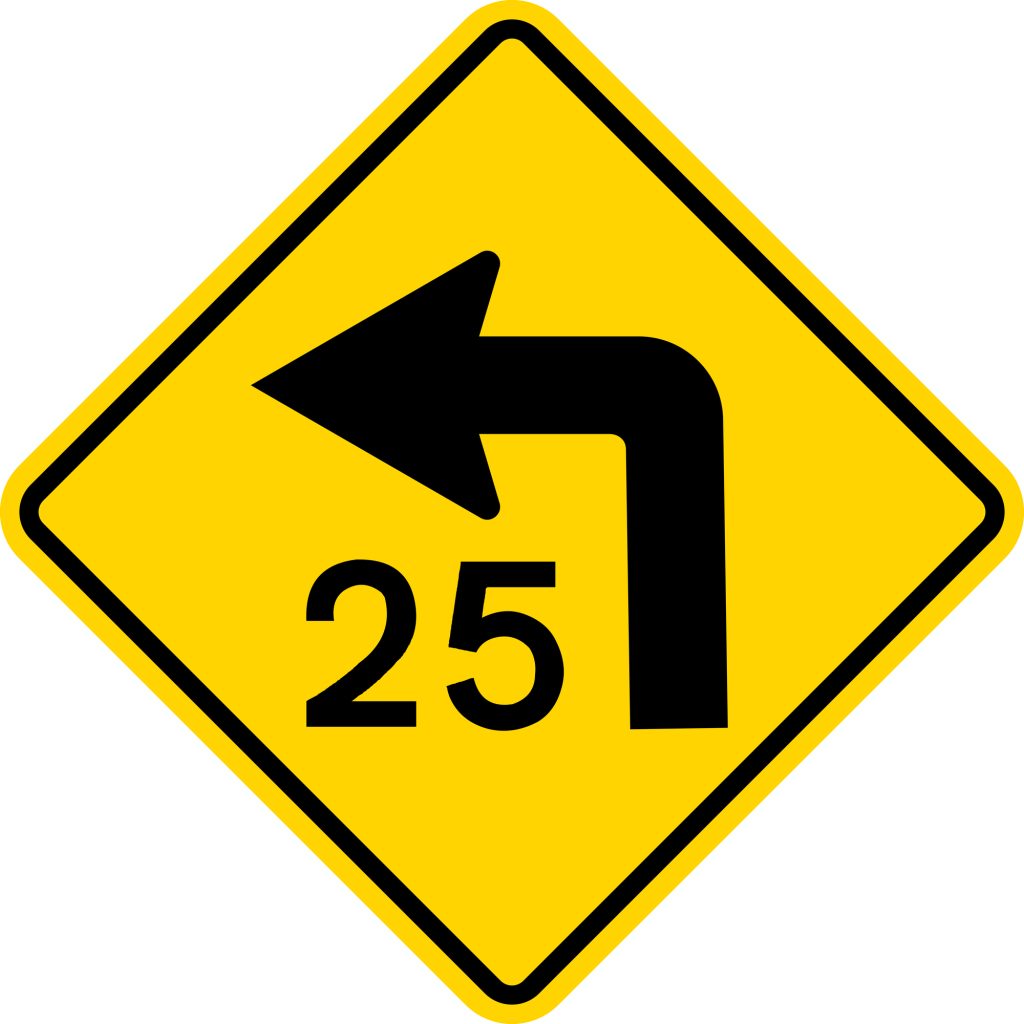
Advisory yellow warning signs are designed to alert drivers to conditions that require extra caution, and one of the most important things they communicate is the suggested speed for safely navigating a curve, hill, or other roadway feature. These signs are not legal speed limits but recommendations that reflect the maximum safe speed under normal conditions. Following these suggested speeds is critical for maintaining control of the vehicle and preventing accidents.
When approaching a curve, for example, entering too quickly can lead to a loss of traction, which increases the risk of skidding or rolling over. Even a small misjudgment can make it difficult to steer properly, especially in wet or icy conditions. Advisory speeds are calculated to provide a margin of safety, allowing drivers to respond to unexpected changes in the road, such as sharp turns, narrow lanes, or hidden obstacles. Ignoring these recommendations is one of the most common causes of single-vehicle crashes on curves.
The importance of following advisory speeds extends beyond curves. Hills, sharp intersections, and areas with frequent wildlife crossings often carry advisory signs because these conditions require slower, more deliberate driving. Approaching these areas at a speed higher than advised reduces reaction time, making it harder to respond to sudden hazards. Slowing down allows the driver to maintain control, adjust to changes in traffic flow, and reduce the severity of potential collisions.
Advisory speeds also protect passengers and other road users. A vehicle traveling at the recommended pace is easier to maneuver and stop, reducing the likelihood of collisions with other drivers, cyclists, or pedestrians. Following these speeds demonstrates responsible driving and builds good habits that extend to other areas of road safety.
In addition, advisory speeds are especially important for new or less experienced drivers. These drivers may misjudge curves or fail to account for how different conditions, such as weather or road surface, affect vehicle handling. Paying attention to the posted speed recommendation helps ensure they remain in control and confident behind the wheel.
Ultimately, advisory yellow warning signs exist to prevent accidents and keep everyone on the road safe. Respecting these suggested speeds is a simple but powerful way to drive more safely, protect yourself and others, and respond effectively to the ever-changing conditions of the roadway.
Advisory yellow warning
signs are designed to alert drivers to conditions that require extra caution,
and one of the most important things they communicate is the suggested speed
for safely navigating a curve, hill, or other roadway feature. These signs are
not legal speed limits but recommendations that reflect the maximum safe speed
under normal conditions. Following these suggested speeds is critical for
maintaining control of the vehicle and preventing accidents.
When approaching a curve,
for example, entering too quickly can lead to a loss of traction, which
increases the risk of skidding or rolling over. Even a small misjudgment can
make it difficult to steer properly, especially in wet or icy conditions. Advisory
speeds are calculated to provide a margin of safety, allowing drivers to
respond to unexpected changes in the road, such as sharp turns, narrow lanes,
or hidden obstacles. Ignoring these recommendations is one of the most common
causes of single-vehicle crashes on curves.
The importance of following
advisory speeds extends beyond curves. Hills, sharp intersections, and areas
with frequent wildlife crossings often carry advisory signs because these
conditions require slower, more deliberate driving. Approaching these areas at
a speed higher than advised reduces reaction time, making it harder to respond
to sudden hazards. Slowing down allows the driver to maintain control, adjust
to changes in traffic flow, and reduce the severity of potential collisions.
Advisory speeds also protect
passengers and other road users. A vehicle traveling at the recommended pace is
easier to maneuver and stop, reducing the likelihood of collisions with other
drivers, cyclists, or pedestrians. Following these speeds demonstrates
responsible driving and builds good habits that extend to other areas of road
safety.
In addition, advisory speeds
are especially important for new or less experienced drivers. These drivers may
misjudge curves or fail to account for how different conditions, such as
weather or road surface, affect vehicle handling. Paying attention to the
posted speed recommendation helps ensure they remain in control and confident
behind the wheel.
Ultimately, advisory yellow
warning signs exist to prevent accidents and keep everyone on the road safe.
Respecting these suggested speeds is a simple but powerful way to drive more
safely, protect yourself and others, and respond effectively to the ever-changing
conditions of the roadway.


