
Using driving simulators to support students with learning differences
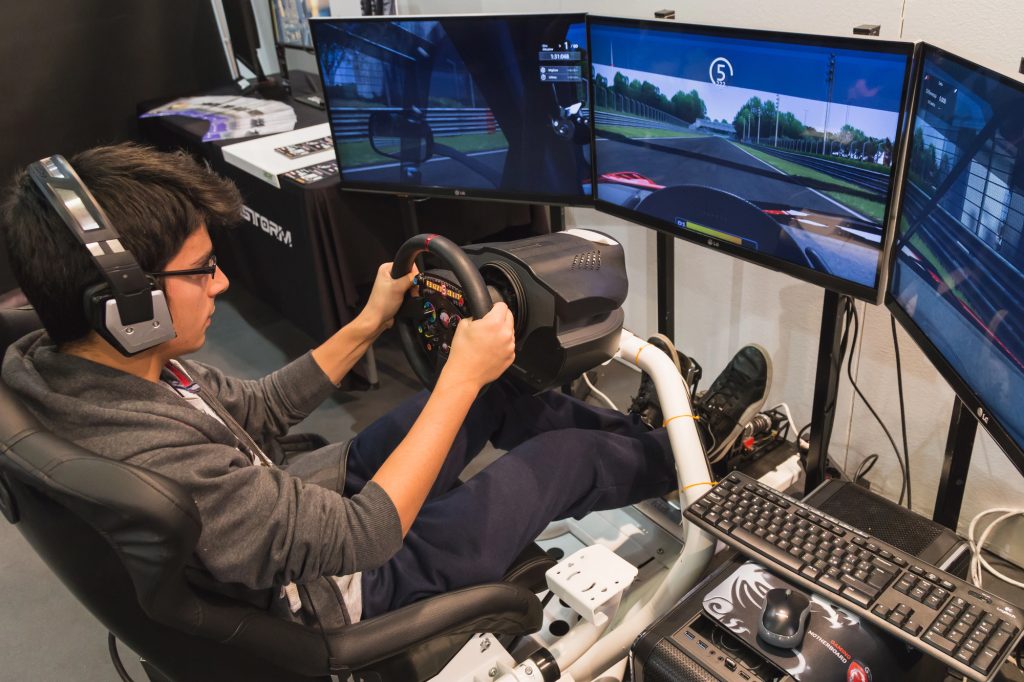
Using driving simulators can be an invaluable tool for supporting students with learning differences. Simulators create a safe and controlled environment where learners can experience real-world driving scenarios without the immediate risks associated with being on the road. For students who struggle with attention, memory, or sensory processing, this technology allows them to practice skills repeatedly and at their own pace. They can pause, reset, and review situations, which helps reinforce learning in ways that traditional behind-the-wheel instruction alone may not offer.
For students with attention challenges, simulators provide focused experiences that reduce the distractions of the outside world. The instructor can guide them through specific scenarios, such as merging onto a highway or navigating intersections, and adjust the complexity according to the learner’s comfort and progress. This individualized pacing helps students build confidence before attempting these situations in real traffic. Repetition in the simulator also strengthens procedural memory, enabling learners to internalize steps for safe driving through muscle memory and visual cues.
Sensory-sensitive students benefit from simulators because the environment can be modified to reduce overstimulation. Bright lights, loud sounds, or sudden movements can be controlled or muted, helping learners gradually acclimate to the sensory demands of driving. Over time, students can experience increasingly challenging scenarios in a manner that feels manageable, reducing anxiety and improving focus.
Additionally, simulators allow for exposure to rare or hazardous situations that might be difficult or unsafe to replicate on the road. Slippery conditions, sudden stops, or emergency maneuvers can be practiced safely, giving learners a sense of preparedness and control. Instructors can also provide immediate feedback, highlighting errors and reinforcing correct responses, which is especially helpful for students who benefit from clear, consistent guidance.
Overall, driving simulators bridge the gap between theory and practice for students with learning differences. They create a supportive, low-pressure environment that encourages skill development, confidence, and independence. By integrating technology into driver education, instructors can offer personalized learning experiences that meet each student’s unique needs, ultimately helping them become safe, capable, and confident drivers.


