
Helping an autistic driver build their confidence driving in the rain and darkness at the same time.
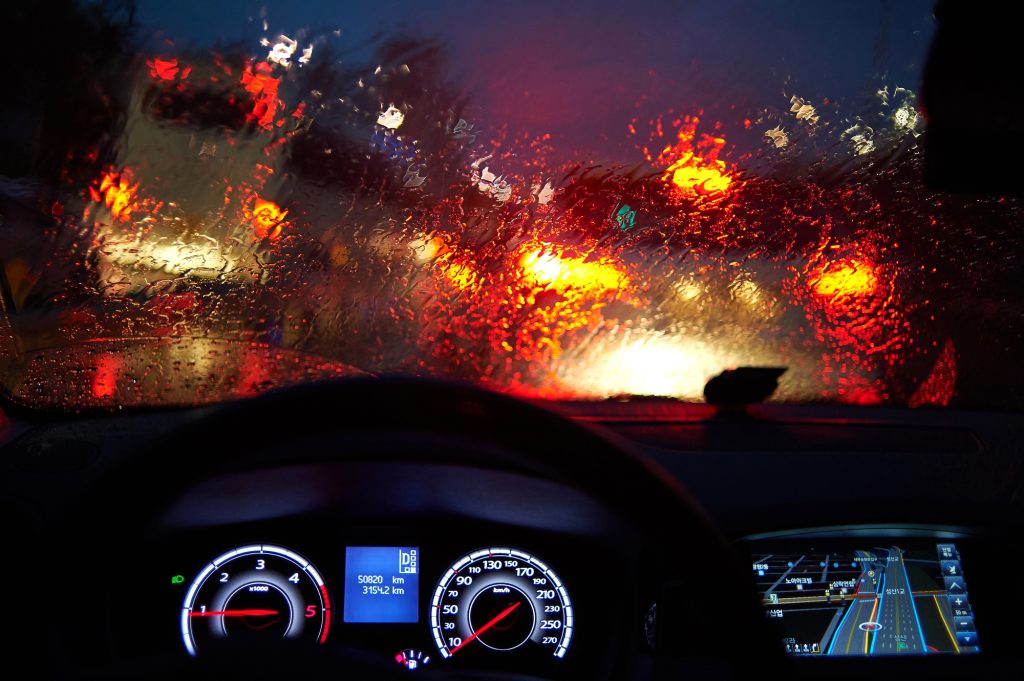
Helping an autistic driver build confidence when driving in the rain and darkness at the same time requires patience, preparation, and understanding. These conditions combine multiple sensory challenges, including reduced visibility, increased glare, unfamiliar sounds, and heightened mental demand. With the right support, an autistic driver can learn to manage these challenges and feel more secure behind the wheel.
Start by acknowledging that rain and darkness can feel overwhelming. Rain changes how the road looks and sounds, while darkness limits visual information and increases reliance on headlights and reflections. For an autistic driver, this combination can increase anxiety and make it harder to process information quickly. Normalizing these feelings helps reduce pressure and builds trust between the instructor and the driver.Preparation is key. Before driving, talk through what to expect. Explain how rain can make road markings harder to see and how darkness can distort distance perception. Review how windshield wipers, defrosters, and headlights support visibility. Practicing these controls while parked helps the driver feel more in control once moving. Gradual exposure builds confidence. Begin with short drives in light rain or low traffic areas after sunset.
As comfort grows, slowly increase complexity. Keeping early sessions brief and predictable prevents sensory overload and allows success to build on itself. compliment progress, no matter how small, to reinforce confidence.Clear and calm communication matters. Use a steady voice and simple instructions. Avoid giving too many directions at once, as this can overwhelm working memory. If the driver becomes tense, encourage controlled breathing and brief pauses when safe. Knowing they can stop and reset reduces fear. Focus on coping strategies. Teach the driver to scan slowly, increase following distance, and rely on lane markings and road edges.
Encourage them to limit distractions, such as music or conversation, during challenging conditions. Predictable routines help autistic drivers feel grounded and focused.Most importantly, emphasize that confidence comes with practice. Driving in rain and darkness is a skill developed over time, not something that must be mastered immediately. With patience, understanding, and structured practice, an autistic driver can learn to navigate these conditions safely and gain confidence that carries over into all areas of driving.


