Remember Winter driving requires more space to those around you
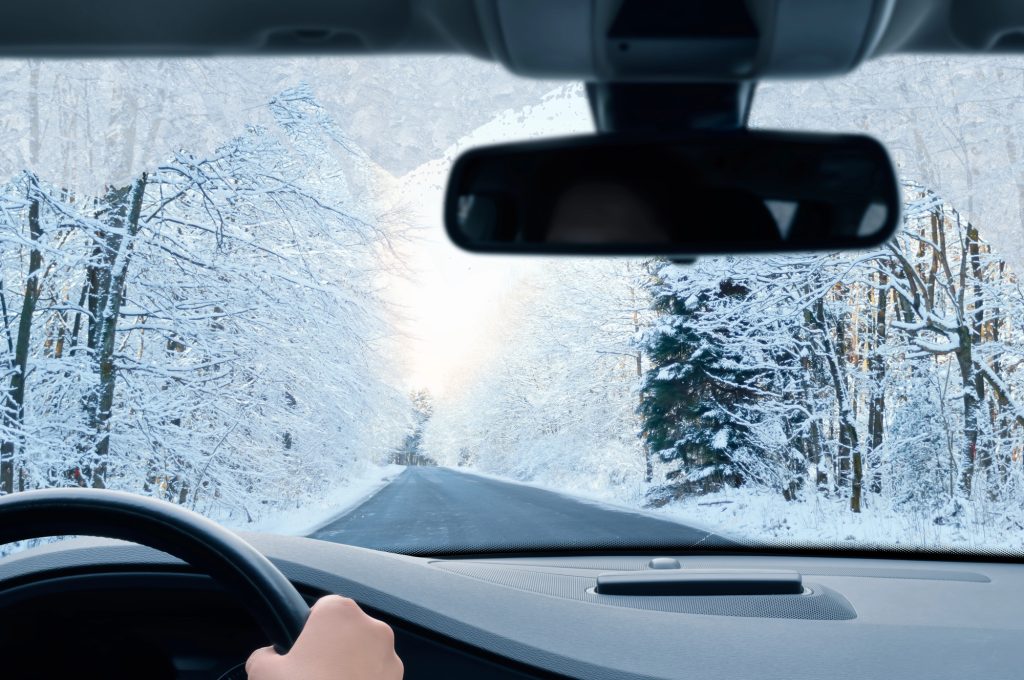
Winter driving presents a unique set of challenges that require extra attention, patience, and preparation. One of the most important things to remember is to give yourself and others more space on the road. When roads are covered in snow, ice, or slush, it takes much longer to stop or change direction safely. The usual following distance that might feel comfortable on a dry road simply is not enough when traction is reduced. Increasing the space between your vehicle and the one ahead allows more time to react if the car in front of you brakes suddenly or begins to slide.

Cold weather also affects the performance of your tires and braking system. Even with good snow tires, grip is limited when the surface is slick. Extra space gives your tires a better chance to slow your vehicle gradually, which helps prevent skidding. Drivers should also be gentle with acceleration, braking, and steering. Smooth movements are key to maintaining control in slippery conditions. Rushing or making sudden changes in direction can easily cause a loss of traction, especially on bridges, overpasses, and shaded areas where ice forms first and lingers longest.

It is equally important to keep space not just in front of you, but all around. Avoid tailgating or crowding other vehicles and be aware of those who may not be as cautious. Large trucks and snowplows need even more room to maneuver and cutting in too closely can create dangerous situations. If someone is driving too closely behind you, find a safe place to move over and let them pass rather than feeling pressured to speed up.

Giving extra space during winter is not just about safety—it also helps reduce stress. When you build more time into your drive and accept that traffic may move slower, you can focus better and make calmer decisions. Remember that everyone on the road faces the same conditions, and patience can prevent accidents. Respecting the weather, your vehicle’s limits, and the space needed to stay safe will make winter driving far less stressful and much safer for everyone.

Similar Posts

  • Adjusting Learning Methods for Students With Learning Disorders How to Drive

    Adjusting learning methods for students with learning disorders when teaching them to drive requires a thoughtful and individualized approach creating methods to the student’s personality. Understanding the unique challenges each student faces is very important for creating a positive learning experience. Communication is crucial. Open discussions about the student’s specific learning needs can help establish trust and understanding. Using simple, clear language can enhance understanding, while encouraging questions creates an environment where students feel comfortable expressing their concerns. Visual aids are particularly effective for many learners. Utilizing diagrams of traffic signs, step-by-step checklists for vehicle operation, and videos demonstrating safe driving techniques can provide valuable context. These resources can help reinforce concepts that might be challenging to grasp through verbal instruction alone. Incorporating hands-on practice…

  • Creating a Calm Environment: Reducing Anxiety in Driving Lessons

    As the instructor I can also create a sense of safety by explaining that as an instructor I’m always in control and can intervene if necessary, reducing the fear of accidents. Mindfulness techniques can be introduced to help learners manage their stress. Simple breathing exercises before or Creating a Calm Environment: Reducing Anxiety in Driving Lessons Creating a calm environment during driving lessons is essential to reducing anxiety in new drivers. Many students feel nervous behind the wheel, which can impact their ability to focus and make good aculeate decisions. A supportive and soothing atmosphere can help alleviate these feelings, making the learning process smoother and more enjoyable. One of the most effective ways to create this environment is through clear communication. Instructors should speak…

  • Helping an autistic driver build their confidence driving in the rain and darkness at the same time.

    Helping an autistic driver build confidence when driving in the rain and darkness at the same time requires patience, preparation, and understanding. These conditions combine multiple sensory challenges, including reduced visibility, increased glare, unfamiliar sounds, and heightened mental demand. With the right support, an autistic driver can learn to manage these challenges and feel more secure behind the wheel. Start by acknowledging that rain and darkness can feel overwhelming. Rain changes how the road looks and sounds, while darkness limits visual information and increases reliance on headlights and reflections. For an autistic driver, this combination can increase anxiety and make it harder to process information quickly. Normalizing these feelings helps reduce pressure and builds trust between the instructor and the driver.Preparation is key. Before driving,…

  • How you Can help a student driver with sensory processing challenges

    Helping a student driver with sensory processing challenges requires patience, understanding, and thoughtful teaching strategies. Sensory processing challenges can affect how a student interprets sounds, lights, movement, and touch, all of which are constant parts of driving. By creating a supportive learning environment, instructors and caregivers can help the student feel safer and more confident behind the wheel. One of the most important steps is to reduce sensory overload whenever possible. This can mean choosing quieter practice routes with less traffic, fewer pedestrians, and minimal visual clutter. Starting lessons during calm times of day can also help the student focus without being overwhelmed. Inside the vehicle, limiting background noise such as music or conversations allows the student to concentrate on driving tasks rather than competing…

  • Thing To Consider When Traveling On Country Roads

    Traveling on country roads can be a beautiful and scenic experience, but it requires careful consideration to ensure a safe and enjoyable journey. Here are some important things to keep in mind as we find ourselves on country roads: Road Conditions: Country roads can be less maintained than urban and country ones. Be prepared for uneven surfaces, potholes, gravel, and mud. Stay alert to changes in road conditions and adjust your speed accordingly. Wildlife: Rural areas often have a large range of wildlife. Keep an eye out for animals crossing the road, especially during dawn and dusk. A common mistake when looking for wildlife is we don’t move our eyes and head enough. We must not only look for crossing animals but watch the edge…

  • Making sure that new drivers know how to change flat tires.

    Teaching new drivers how to change a flat tire is an essential skill that goes beyond just knowing how to drive. It builds confidence, promotes safety, and ensures they can handle unexpected situations without panicking. A flat tire can happen at any time, often in inconvenient locations, so being prepared is crucial. Start by emphasizing safety. Whenever a flat occurs, the first step is to pull over to a safe area away from traffic. Turn on the hazard lights to alert other drivers and set the parking brake. If available, placing warning triangles or cones behind the vehicle adds an extra layer of safety. Stress that rushing or trying to change a tire on a busy road is dangerous and can lead to accidents. Next,…